
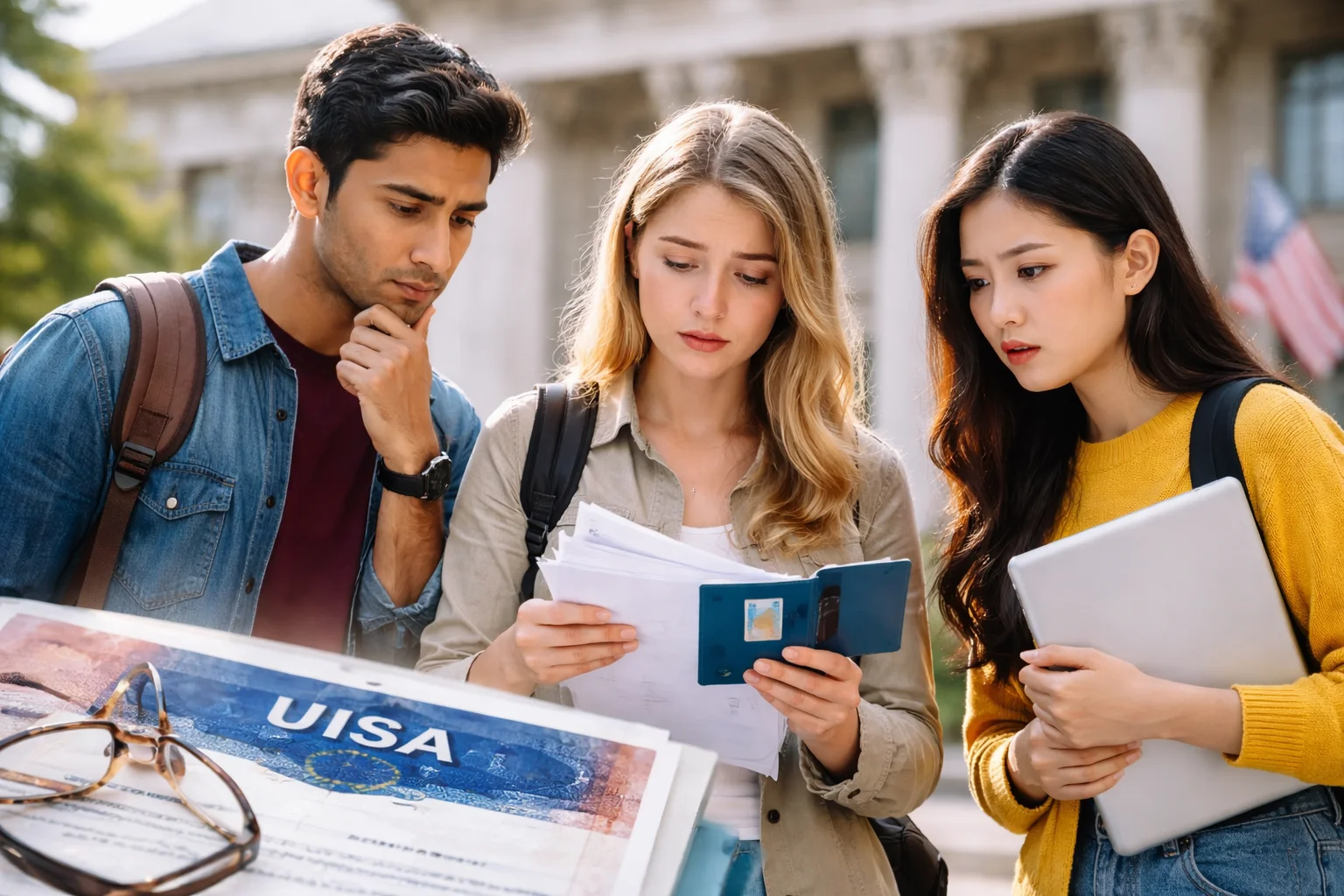
International students have always been an important part of higher education in the United States. They travel from different parts of the world with hopes of learning, growing, and building a better future. Over time, many students and families have started to feel worried because visa rules are being enforced more strictly than before. This situation is often described as a visa crackdown affecting international students.
This article explains the issue in detail. The goal is to help students understand what is happening, why it is happening, and how they can protect themselves.
What Is Happening With Student Visas in the United States
A visa crackdown means stricter enforcement of existing rules, not a complete change in the system. The laws were already in place, but authorities are now paying closer attention to how those rules are followed.
For international students, this means their academic records, enrollment status, work permissions, and travel history are reviewed more carefully. Even small mistakes can now lead to serious problems if they are not corrected in time.
This has created confusion because many students believe they are doing everything correctly, yet they still feel uncertain about their visa safety.
Why International Students Are Facing More Restrictions
Several key reasons explain why student visas are being monitored more closely.
Focus on Immigration Compliance
Every country wants to ensure that people entering on student visas are truly studying. Authorities check whether students are attending classes, making academic progress, and following the conditions of their visa.
If a student is not meeting these expectations, it can be seen as misuse of the visa.
See also UC Santa Cruz Student Visa Revoked: What It Means and What Students Should Know
Concerns About Unauthorized Work
Student visas usually allow limited work under specific conditions. In the past, some individuals worked more hours than allowed or took jobs without permission. These actions increased enforcement pressure on all students.
As a result, rules around employment are now monitored more strictly.
Better Tracking Systems
Government systems have become more connected. University records, employment details, and travel data can be compared easily. If information does not match, it may lead to questions or investigations.
Students Who Are Most at Risk
Not every international student faces the same level of risk. Certain situations attract more attention.
Students Not Maintaining Full-Time Enrollment
Most student visas require full-time study. Dropping classes, taking long breaks, or delaying graduation without approval can violate visa conditions.
Even personal or medical reasons must be officially documented.
Students Working Without Proper Permission
Working off campus or exceeding allowed work hours can cause serious problems. Many students make mistakes because they rely on advice from friends instead of official guidance.
Students With Irregular Academic History
Frequent program changes, repeated failures, or long gaps in study may raise concerns about whether education is the student’s main purpose.
Students Who Travel Frequently
Traveling outside the country during studies is allowed, but frequent travel can lead to extra questioning at entry points. Officers may want proof that the student is still actively studying.
Actions Taken When Issues Are Found
When authorities believe a student may not be following visa rules, several actions can occur.
Requests for Proof and Documents
Students may be asked to provide enrollment letters, transcripts, attendance records, or financial proof. Delays or missing documents can make the situation worse.
Termination of Student Status
If a serious violation is confirmed, the student’s legal status may be ended. This usually means the student must leave the country within a short time.
Problems at the Border
Some students face difficulties when returning after travel. Even with valid documents, entry can be denied if officers believe visa rules were broken.
Future Application Challenges
A past violation can affect future visas. Students may need to explain issues in detail during later applications.
How Universities Are Supporting International Students
Educational institutions understand the pressure students are facing and have taken steps to help.
Stronger Student Advising
International offices now encourage regular communication. Advisors help students understand rules and avoid risky decisions.
Improved Record Management
Universities are keeping more accurate records to protect students if questions arise. Correct reporting plays a key role in visa safety.
Access to Legal Guidance
Some institutions connect students with legal professionals when problems occur. Early advice can prevent serious outcomes.
How International Students Can Protect Themselves
Students can reduce risk by being proactive and careful.
Stay Enrolled as Required
Always maintain full-time enrollment unless official permission is granted. Never assume an exception is automatic.
Follow Employment Rules Carefully
Before starting any job, confirm it is allowed under your visa. Keep written approval for internships or training programs.
Keep All Documents Organized
Save copies of passports, visas, enrollment letters, transcripts, and employment permissions. Organized records help during reviews.
Communicate Early With Advisors
If academic, health, or personal issues arise, contact your advisor immediately. Early action often prevents violations.
Be Honest During Interviews and Travel
Clear and truthful answers are essential. Inconsistent information can create unnecessary problems.
Emotional Impact on International Students
The situation affects more than legal status.
Stress and Anxiety
Constant fear of making mistakes can affect mental health and academic performance.
Feeling Uncertain or Unwelcome
Some students feel discouraged despite following rules. This emotional burden should not be ignored.
Importance of Support Systems
Connecting with advisors, counselors, and fellow students helps reduce isolation and stress.
Long-Term Effects on Education
Stricter enforcement also affects institutions and society.
Reduced International Enrollment
Uncertainty may discourage future students from applying, reducing cultural exchange.
Impact on Research and Innovation
International students contribute skills, research, and ideas. Fewer students can slow progress in many fields.
Trust in the Education System
Clear communication and fair enforcement are essential to maintain confidence in the system.
Common Misunderstandings Among Students
Many rumors create unnecessary fear.
A Valid Visa Does Not Guarantee Entry
Entry decisions are made at the border, based on compliance history.
Online Study May Not Always Be Enough
In some cases, fully online study does not meet visa requirements. Always confirm before switching formats.
Ignoring Advisors Is Risky
Official guidance exists to protect students. Relying on unofficial advice can lead to mistakes.
Frequently Asked Questions
Can small mistakes really cause visa problems
Yes. Minor issues can become serious if ignored. Early correction is very important.
Are all international students at risk
No. Students who follow rules, stay enrolled, and maintain proper authorization are generally safe.
What should I do if I receive a warning
Do not ignore it. Contact your school advisor immediately and seek professional guidance if needed.
Can I change my program or university
Yes, but only through proper procedures. Unauthorized changes can cause problems.
Conclusion
The visa crackdown affecting international students has created uncertainty, but it does not mean education opportunities are disappearing. The focus is on stricter enforcement of existing rules, not on targeting genuine students.
Students who stay informed, follow guidelines carefully, and communicate early with their institutions place themselves in the strongest position. Clear understanding, responsibility, and awareness are the most effective ways to continue studying with confidence and stability.

