
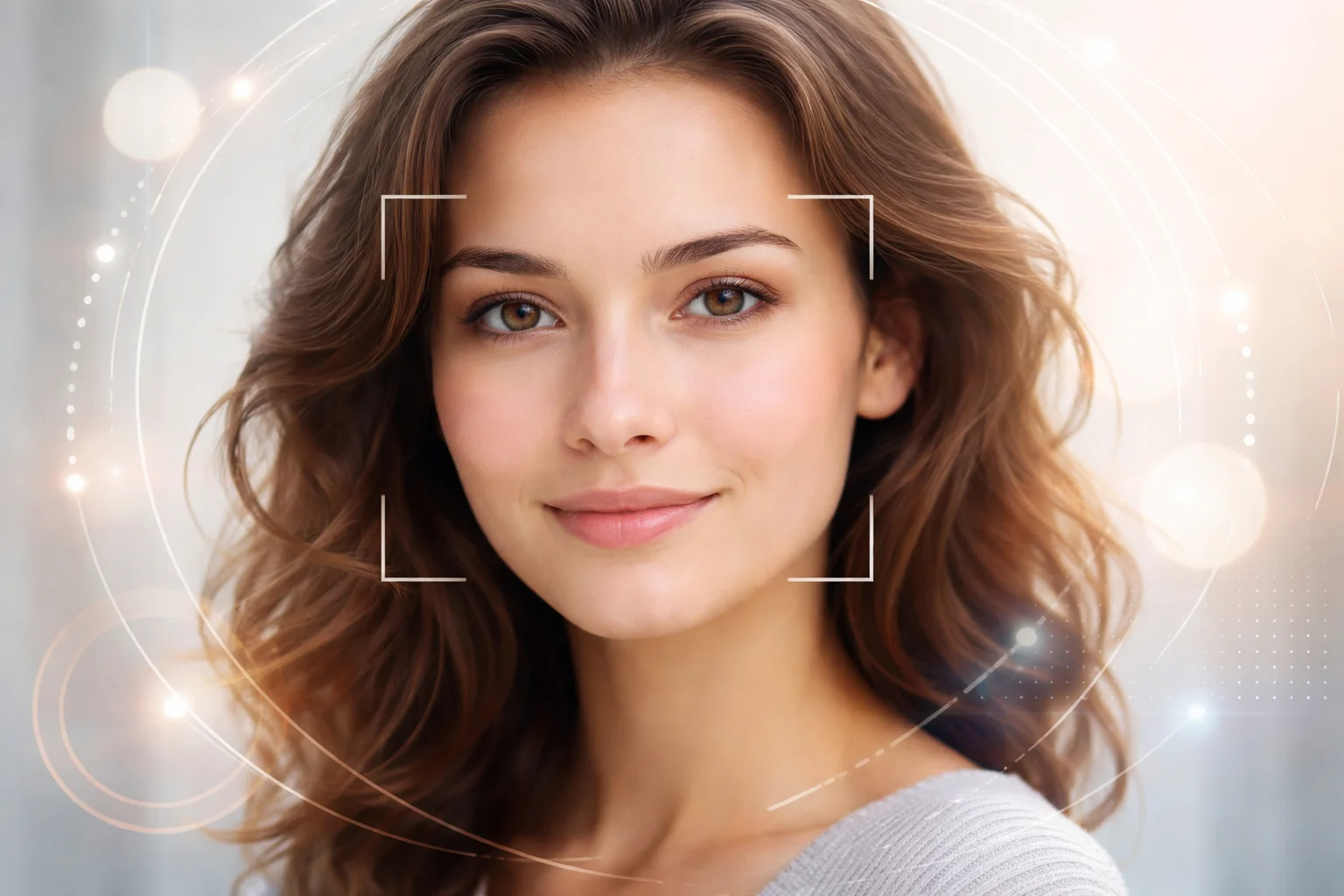
Visagement is a word that immediately creates curiosity. It sounds familiar, yet it is not something most people can define clearly at first glance. That curiosity is exactly why many readers search for visagement—to understand what it means, how it is used, and why it matters.
This article explains visagement in detail. By the end, you will understand visagement as a concept, how it is applied, and why it continues to attract attention across different fields.
What Visagement Means
Visagement comes from the word “visage,” which means a person’s face or facial appearance. Visagement refers to the study, interpretation, and use of facial appearance to understand identity, expression, perception, and presentation.
In simple terms, visagement is about how faces are seen, read, and shaped—not just physically, but emotionally and socially.
Visagement is not limited to one strict definition. Instead, it works as a conceptual umbrella that connects appearance, expression, communication, and perception.
Visagement in Everyday Language
To make it easy to understand:
- A face communicates emotion before words
- Facial features influence first impressions
- Expression shapes how others respond
- Appearance affects confidence and interaction
Visagement looks at all of these ideas together.
It does not judge people. It explains how facial presentation naturally influences human interaction.
The Core Idea Behind Visagement
At its core, visagement focuses on connection.
Humans are wired to read faces. Long before language, people relied on facial cues to understand danger, trust, happiness, or sadness. Visagement builds on this natural behavior and explains how facial features, expressions, and presentation work together.
Key Elements of Visagement
Visagement is built around several key elements:
- Facial structure
- Expression and emotion
- Visual balance
- Perception and interpretation
- Personal presentation
Each of these elements contributes to how a face is understood by others.
Why Visagement Matters
Visagement matters because faces are central to human interaction. Whether in personal life, professional settings, or creative work, facial presentation plays a powerful role.
People often form opinions within seconds. Those opinions may not be permanent, but they influence initial reactions. Visagement helps explain why this happens and how awareness can improve communication.
The Role of Visagement in Modern Life
In modern life, faces appear everywhere:
- Social profiles
- Video calls
- Professional branding
- Media and advertising
- Creative content
Visagement provides a framework to understand how facial presence works in these environments.
Visagement and Identity
One of the most important aspects of visagement is identity.
A face is deeply personal. It carries individuality, heritage, emotion, and personality. Visagement respects this by focusing on understanding rather than changing identity.
Facial Identity and Self-Perception
How people see their own face affects:
- Confidence
- Self-expression
- Social comfort
- Emotional well-being
Visagement encourages awareness, not comparison. It helps people understand how facial cues reflect inner states and how expression can align with intention.
Visagement in Communication
Communication is not only verbal. Facial expression plays a major role in how messages are received.
Visagement explains how:
- A relaxed face creates approachability
- Tension can signal stress or discomfort
- Eye movement shows engagement
- Subtle expressions shape meaning
Understanding visagement improves clarity in human interaction.
See also Educators Jobfor 188000 – Everything You Need to Know
Emotional Expression and Visagement
Emotion is a core part of visagement. Even without speaking, faces reveal:
- Joy
- Concern
- Curiosity
- Discomfort
- Confidence
Visagement studies how these expressions are perceived and how they affect relationships.
Visagement and Visual Balance
Another key concept within visagement is visual balance.
Visual balance refers to how facial features work together as a whole rather than being judged separately. No single feature defines a face. Balance comes from harmony.
Visagement emphasizes:
- Overall structure
- Proportion
- Natural symmetry
- Expressive alignment
This approach avoids focusing on flaws and instead values cohesion.
Visagement in Creative Fields
Visagement is widely relevant in creative fields where faces play a central role.
Design and Visual Arts
In design and visual arts, visagement helps creators understand how faces communicate mood, story, and identity.
Artists use visagement to:
- Convey emotion
- Build character identity
- Create visual impact
- Strengthen storytelling
Photography and Media
Photography relies heavily on visagement. A single image can communicate a full narrative through facial expression alone.
Understanding visagement allows photographers to:
- Capture authentic emotion
- Guide expression naturally
- Create emotional depth
Visagement in Professional Settings
Faces also matter in professional environments.
Visagement helps explain how facial presence affects:
- First impressions
- Trust-building
- Authority
- Approachability
This does not mean altering appearance. It means becoming aware of expression, posture, and emotional alignment.
Confidence and Facial Awareness
Confidence is often reflected in facial cues. Visagement highlights how awareness of expression can support confident communication without artificial behavior.
Simple factors include:
- Relaxed facial muscles
- Natural eye contact
- Calm expression
Visagement and Human Psychology
Visagement is closely connected to psychology.
Humans instinctively read faces to assess:
- Safety
- Intent
- Emotion
- Reliability
Visagement studies these reactions without assigning moral value. It focuses on understanding natural perception patterns.
First Impressions and Facial Cues
First impressions happen quickly. Visagement explains why facial cues play such a strong role and how awareness can reduce misunderstanding.
It also reminds readers that first impressions are not complete judgments—only initial signals.
Common Misunderstandings About Visagement
Because visagement is not a mainstream term, it is often misunderstood.
Misunderstanding One: It Is About Judging Faces
Visagement is not about labeling faces as good or bad. It is about understanding communication and perception.
Misunderstanding Two: It Promotes Uniform Beauty
Visagement does not promote one standard of appearance. It values diversity, individuality, and natural expression.
Misunderstanding Three: It Is Only About Appearance
While faces are central, visagement includes emotion, expression, and interaction—not just physical features.
How Visagement Is Applied Thoughtfully
Visagement is applied best when used ethically and thoughtfully.
Responsible use includes:
- Respect for individuality
- Avoiding stereotypes
- Focusing on communication, not comparison
- Supporting self-awareness
When used correctly, visagement strengthens understanding rather than division.
The Future of Visagement
As digital interaction increases, faces remain central. Video communication, visual media, and creative content continue to rely on facial presence.
Visagement will likely continue evolving as a conceptual tool rather than a rigid system.
It offers:
- Deeper awareness
- Better communication
- Improved emotional clarity
Practical Takeaways From Visagement
Here are some clear and useful takeaways:
- Faces communicate constantly
- Expression shapes perception
- Awareness improves interaction
- Balance matters more than perfection
- Identity should always be respected
These ideas apply across cultures and contexts.
Frequently Asked Questions About Visagement
Is visagement a scientific field?
Visagement is better understood as a conceptual framework rather than a formal science. It draws from psychology, communication, and visual perception.
Is visagement related to beauty standards?
No. Visagement does not define beauty. It focuses on understanding facial communication and expression.
Can visagement be learned?
Yes. Awareness of facial cues and expression can be developed naturally through observation and reflection.
Is visagement used in daily life?
Yes. People use visagement instinctively when reading expressions and reacting to faces, even if they do not use the term.
Does visagement apply to everyone?
Yes. All humans use facial cues, making visagement universally relevant.
Final Thoughts on Visagement
Visagement is a powerful yet simple idea. It explains something humans do every day—reading faces—using a structured and respectful perspective.
Rather than focusing on appearance alone, visagement emphasizes connection, expression, and understanding. It encourages awareness instead of judgment and clarity instead of assumption.
By understanding visagement, people gain insight into how faces communicate emotion, identity, and intention. That understanding leads to better interaction, stronger relationships, and more thoughtful communication.
In a world where faces are seen more than ever, visagement offers a calm, intelligent way to understand what they truly express.

