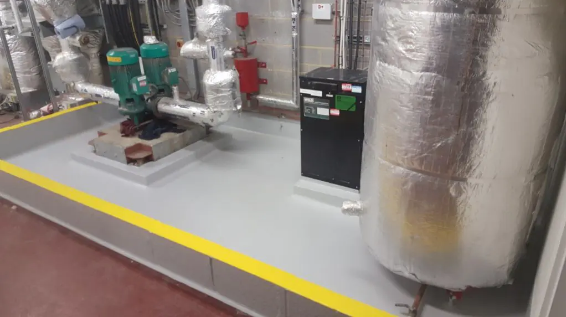
Laaster has emerged as a notable name in the construction industry, offering a versatile and innovative solution for both professionals and DIY enthusiasts. Whether you’re a homeowner embarking on a renovation project or a construction professional seeking reliable materials, understanding what Laaster brings to the table is crucial.
What is Laaster?
Laaster is a construction material that serves as a modern alternative to traditional plaster. Designed to provide durability and ease of use, Laaster is composed of advanced compounds that enhance its application and finish. Its versatility makes it suitable for a variety of uses, from surface coatings to intricate wall finishes.
How Does Laaster Work?
Laaster functions as a surface coating material, offering a smooth and resilient finish. Its unique formulation allows for easy application, reducing labor time and increasing efficiency. Users can apply Laaster using standard tools, making it accessible for both professional and home improvement projects.
Key Features and Technologies
- Eco-Friendly Composition: Laaster is crafted with sustainability in mind, using materials that reduce environmental impact.
- Enhanced Durability: Its robust composition resists wear and tear, ensuring longevity.
- Versatile Applications: Suitable for a range of finishes, from smooth to textured surfaces.
User Interface and Experience
Laaster is known for its user-friendly application process. The material spreads evenly, adhering well to various surfaces without requiring advanced skills. This makes it an ideal choice for those looking to complete home renovation projects efficiently.
Benefits of Using Laaster
Choosing Laaster over traditional materials like plaster offers several advantages:
- Efficiency: Reduces application time and labor costs.
- Cost-Effectiveness: Competitively priced without compromising on quality.
- Sustainability: Aligns with eco-friendly building practices, appealing to environmentally conscious consumers.
Common Applications of Laaster
Laaster is suitable for a variety of applications across different industries:
- Residential: Ideal for creating seamless wall finishes in homes, enhancing aesthetic appeal.
- Commercial: Used in office spaces for its professional finish and durability.
- Industrial: Provides robust surface coating solutions in industrial settings.
Laaster vs. Competitors
When considering Laaster, it’s important to compare it with other materials like traditional plaster:
| Feature | Laaster | Traditional Plaster |
|---|---|---|
| Application Ease | High | Moderate |
| Durability | High | Medium |
| Eco-Friendly | Yes | No |
Pricing Analysis
While Laaster may initially seem more expensive than traditional plaster, its long-term benefits and reduced labor costs often result in overall savings. This makes it a preferred choice for many construction professionals looking for both quality and value.
Troubleshooting and Support
While Laaster is designed for ease of use, users may occasionally encounter challenges. Common issues include incorrect mixing ratios or application techniques. Laaster offers comprehensive customer support and resources to address these challenges effectively.
Common Issues and Solutions
- Mixing Errors: Ensure correct proportions are used to avoid inconsistencies.
- Surface Preparation: Properly clean and prime surfaces to enhance adhesion.
Customer Support Options
Laaster provides robust customer service through various channels, including online support, detailed guides, and direct customer helplines.
Future of Laaster
The construction industry is rapidly evolving, and Laaster is at the forefront of these changes. Upcoming advancements in Laaster’s formulation promise even greater efficiency and eco-friendliness, aligning with global trends towards sustainable building practices.
Upcoming Features
- Enhanced eco-friendly materials.
- Improved application techniques.
- Integration with smart building technologies.
Industry Trends and Predictions
As the demand for sustainable and efficient building materials grows, Laaster is poised to become a standard choice in both residential and commercial construction. This trajectory underscores the importance of innovative materials in shaping the future of construction.
FAQs About Laaster
- What is Laaster used for? Laaster is primarily used as a surface coating and finish in construction projects.
- How does Laaster compare to traditional plaster? Laaster offers greater durability and ease of application compared to traditional plaster.
- Is Laaster eco-friendly? Yes, Laaster is designed with sustainable materials, making it an eco-friendly choice.
- Can Laaster be used for DIY projects? Absolutely, Laaster is user-friendly and ideal for home improvement projects.
- Where can I purchase Laaster? Laaster is available through various construction supply retailers and online platforms.
Final Thoughts
Laaster represents a significant advancement in construction materials, offering a blend of durability, sustainability, and ease of use. Its application across various sectors highlights its versatility and value, making it a wise investment for future projects. To learn more about incorporating Laaster into your next construction or renovation endeavor, consider reaching out to industry experts or visiting trusted suppliers.