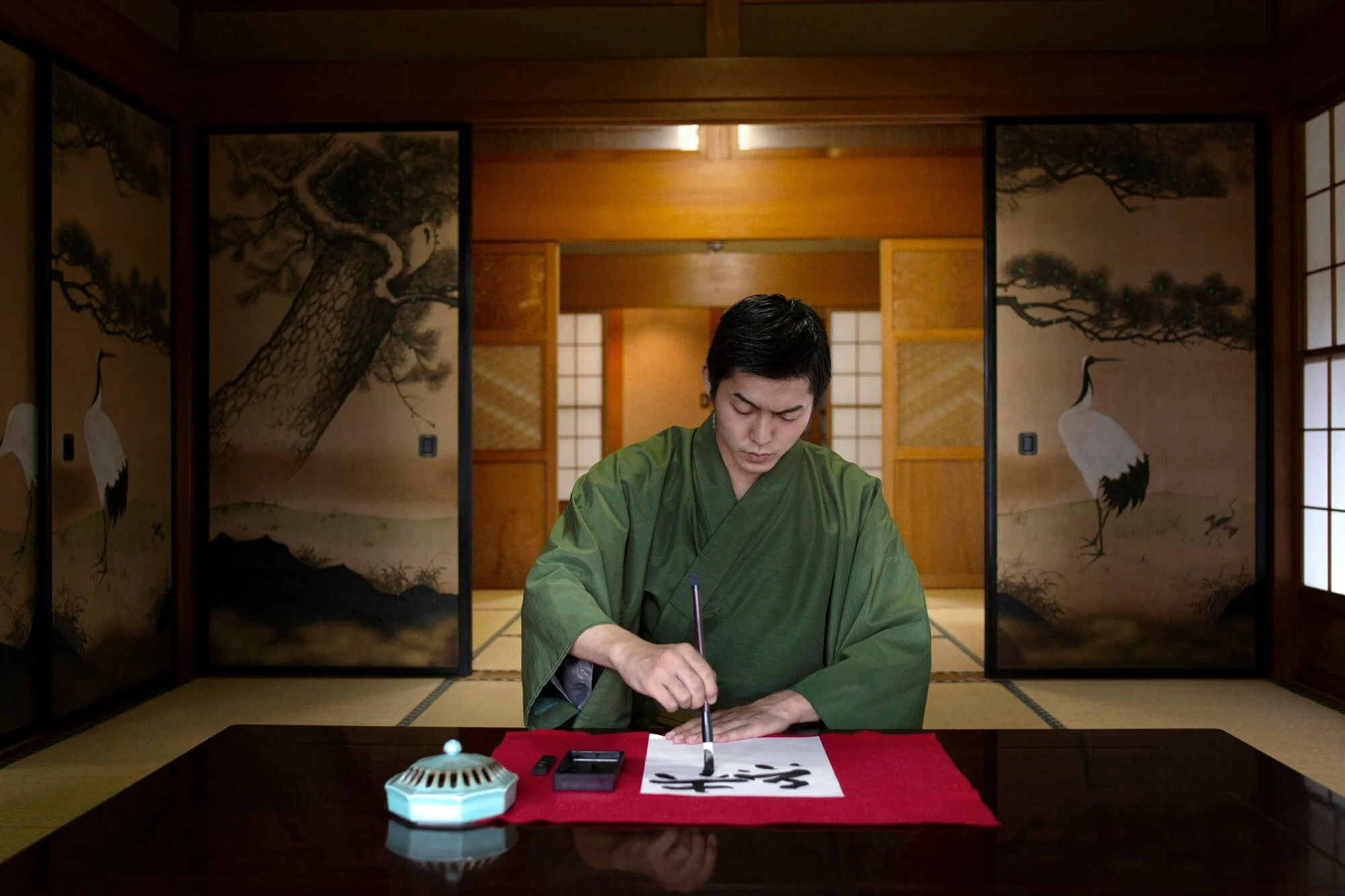
Welcome to the realm of haiku poetry, where brevity meets beauty, and where MyHaiku serves as your guide to crafting these timeless verses. Whether you’re a seasoned poet or an eager beginner, MyHaiku offers the resources, inspiration, and community to enhance your haiku-writing journey. In this comprehensive guide, we will explore everything from the basics of haiku structure to advanced techniques and modern adaptations.
What is Haiku?
Haiku is a form of traditional Japanese poetry characterized by a specific syllable structure, typically arranged in three lines with a 5-7-5 pattern. This short-form poetry is celebrated for its simplicity, yet it captures profound emotions and vivid imagery. Haiku often includes a kigo (seasonal word) and a kireji (cutting word) to evoke a sense of nature and reflection.
Understanding the Haiku Structure
The 5-7-5 Rule
The classic haiku structure consists of three lines with a syllable count of five, seven, and five, respectively. This pattern is not just a guideline; it’s a framework that encourages concise expression and creativity. Mastering this structure is the first step to writing a compelling haiku.
The Importance of Syllables
Syllables play a crucial role in haiku, as they dictate the rhythm and flow of the poem. Counting syllables accurately ensures that the haiku adheres to its traditional form, while also challenging the writer to convey depth in a limited space.
Writing Your First Haiku
Step-by-Step Guide
Writing a haiku can be an enriching experience. Here’s a simple guide to get you started:
- Choose a Theme: Reflect on nature, emotions, or a moment in time.
- Focus on Imagery: Use vivid language to paint a picture in the reader’s mind.
- Structure Your Haiku: Follow the 5-7-5 syllable pattern.
- Incorporate Kigo: Include a seasonal reference to ground your haiku in time.
- Use Kireji: Experiment with cutting words to create a pause or shift in perspective.
Common Themes
Haikus commonly explore themes such as nature, the changing seasons, and fleeting moments. These themes allow poets to connect with the world around them and express universal truths in a succinct format.
Examples of Haiku
Classic Examples
Here are a few timeless haikus from renowned poets:
- “An old silent pond… / A frog jumps into the pond— / Splash! Silence again.” – Matsuo Basho
- “In the cicada’s cry / No sign can foretell / How soon it must die.” – Matsuo Basho
Modern Variations
Contemporary haikus often deviate from the traditional 5-7-5 structure to explore new themes and styles, such as urban life or digital experiences. These variations keep the art form dynamic and relevant.
Advanced Haiku Techniques
Incorporating Kigo and Kireji
Using kigo and kireji effectively can add layers of meaning to your haiku. Seasonal words anchor the poem in a specific time of year, while cutting words introduce an element of surprise or juxtaposition.
Exploring Different Styles
While traditional haikus focus on nature, modern haikus embrace a wide range of subjects, including social issues, technology, and personal reflections. Experimenting with different styles can expand your creative horizons.
Haiku in Modern Culture
Haiku on Social Media
Platforms like Twitter have popularized haiku by encouraging users to share their creations in concise formats. The hashtag #haiku connects poets worldwide, fostering a vibrant online community.
Contemporary Influences
Today’s haiku poets draw inspiration from diverse sources, incorporating elements from other cultures and art forms. This cross-cultural exchange enriches the haiku tradition, making it a truly global phenomenon.
Tips for Haiku Enthusiasts
Common Mistakes to Avoid
Even experienced poets can fall into common traps when writing haikus. Here are a few pitfalls to watch out for:
- Overcomplicating the Language: Haikus thrive on simplicity.
- Ignoring the Syllable Structure: Stick to the 5-7-5 pattern for authenticity.
- Forgetting the Seasonal Reference: Incorporate a kigo to ground your haiku.
Resources for Further Reading
For those eager to delve deeper into haiku poetry, consider exploring these resources:
- The Haiku Handbook: How to Write, Share, and Teach Haiku by William J. Higginson
- Haiku Society of America – A hub for haiku enthusiasts
Comparison Table: Traditional vs. Modern Haiku
| Aspect | Traditional Haiku | Modern Haiku |
|---|---|---|
| Structure | 5-7-5 syllable pattern | Flexible structure |
| Themes | Nature, seasons | Varied, including urban life |
| Language | Simple, direct | Can be more complex |
| Tools | Emphasis on kigo and kireji | Experimentation with forms |
Case Study: The Impact of MyHaiku Platform
The MyHaiku platform has revolutionized how poets engage with haiku. By providing an online space for sharing, feedback, and competitions, MyHaiku fosters a supportive community that encourages growth and creativity. Users report increased confidence in their writing and a deeper appreciation for the art form.
Conclusion
Haiku poetry, with its rich history and ever-evolving forms, offers a unique way to connect with the world. Whether you’re crafting your first haiku or exploring the depths of this poetic tradition, MyHaiku serves as an invaluable resource and community. Embrace the simplicity and power of haiku, and share your creations with a global audience. Join the MyHaiku community today and discover the beauty of haiku poetry.
FAQs
- What is the 5-7-5 haiku structure? The 5-7-5 structure refers to the syllable count across the three lines of a traditional haiku.
- How do you write a simple haiku? Start with a theme, use vivid imagery, and follow the 5-7-5 pattern.
- Can haikus be longer than three lines? While traditional haikus are three lines, modern haikus can vary in length.
- What are some famous haikus? Works by Matsuo Basho, such as “An old silent pond,” are widely celebrated.
- How to incorporate nature in haikus? Use kigo to include seasonal references that evoke natural imagery.