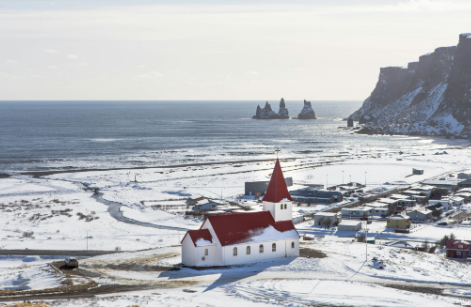
Iceland is one of those destinations that feels completely different from anywhere else in the world. With dramatic waterfalls, volcanic landscapes, glaciers, black-sand beaches, natural hot springs, and spectacular Northern Lights, Iceland offers travellers the chance to experience nature in extraordinary ways.
Located in the North Atlantic, Iceland is often called the Land of Fire and Ice because of its combination of volcanoes and glaciers. A single trip can take you from geothermal landscapes to icy lagoons, rugged coastlines, and peaceful countryside.
For travellers planning their first international adventure, Iceland offers a unique combination of scenery, outdoor activities, and unforgettable experiences. Here are 10 reasons to visit Iceland at least once.
1. Experience the Magical Northern Lights
One of the biggest reasons travellers dream of visiting Iceland is the opportunity to see the Northern Lights.
Also known as the Aurora Borealis, this natural phenomenon can create spectacular colours across the night sky. Green is the most commonly associated colour, but the lights can also appear in shades of pink, purple, and white under suitable conditions.
The best opportunities generally come during the darker months, when nights are long enough for the aurora to become visible. Travellers often leave the brighter areas around Reykjavík and head into the countryside to escape light pollution.
However, seeing the Northern Lights is never guaranteed. Cloud cover, darkness, and solar activity all influence visibility.
For many visitors, simply standing beneath Iceland’s dark winter sky and watching the aurora dance overhead becomes one of the highlights of their trip.
2. See Incredible Waterfalls
Iceland is home to some of Europe’s most impressive waterfalls, and many can be visited relatively easily.
Gullfoss is one of the country’s most famous waterfalls. Its powerful water flows through a dramatic canyon, creating an impressive sight.
Seljalandsfoss is another popular attraction and is particularly memorable because visitors can walk behind the waterfall when conditions allow.
Nearby, Skógafoss offers another spectacular view, with a wide curtain of water falling from a tall cliff.
Each waterfall has its own character, making waterfall sightseeing one of the easiest ways to appreciate Iceland’s dramatic landscape.
3. Explore a Land of Volcanoes
Iceland sits on an area of significant geological activity, which has helped shape its extraordinary landscape.
Volcanic activity has created lava fields, craters, mountains, geothermal areas, and unusual rock formations throughout the country.
Visitors can explore volcanic landscapes and learn more about how Iceland’s geography continues to evolve.
The combination of volcanic terrain and glaciers is one of the features that makes Iceland so visually distinctive.
For travellers interested in geology and natural landscapes, Iceland provides an opportunity to see the forces of nature on a remarkable scale.
4. Relax in Natural Hot Springs
After exploring Iceland’s cold landscapes, relaxing in naturally heated water can be an unforgettable experience.
Geothermal activity beneath the island heats many of its natural pools and hot springs.
The Blue Lagoon is perhaps the most internationally recognised geothermal bathing destination in Iceland. Its milky-blue water surrounded by dark volcanic scenery creates a distinctive atmosphere.
Beyond famous attractions, Iceland also has numerous other geothermal pools and bathing experiences.
Relaxing in warm water while surrounded by Icelandic scenery is an experience that combines nature and relaxation in a unique way.
5. Discover Black-Sand Beaches
Iceland’s coastline offers something very different from the typical tropical beach experience.
Reynisfjara, near the town of Vík, is famous for its striking black volcanic sand, dramatic cliffs, and offshore rock formations.
The contrast between dark sand, powerful ocean waves, and rugged cliffs makes the beach particularly popular with photographers.
However, visitors should always respect local safety warnings because the waves and currents along Iceland’s beaches can be dangerous.
The country’s black-sand beaches demonstrate how volcanic activity has influenced almost every part of Iceland’s landscape.
6. Walk Across Glacial Landscapes
Glaciers are another defining feature of Iceland.
Vatnajökull, one of Europe’s largest glaciers by volume, covers a huge area of southeastern Iceland and forms part of the country’s spectacular glacial landscape.
Visitors can experience glaciers through guided activities, depending on seasonal and safety conditions.
The Jökulsárlón Glacier Lagoon is another must-see destination. Large pieces of ice break away from glaciers and float across the lagoon before eventually reaching the nearby coastline.
The nearby Diamond Beach is famous for chunks of ice that wash onto the black volcanic sand, creating a striking contrast.
7. Experience the Famous Golden Circle
The Golden Circle is one of Iceland’s most popular sightseeing routes and is ideal for first-time visitors.
The route commonly includes three major attractions: Þingvellir National Park, the Geysir geothermal area, and Gullfoss waterfall.
Þingvellir is historically and geologically significant, while the Geysir area is known for geothermal activity and erupting hot springs.
Gullfoss completes the classic route with its powerful waterfall.
The Golden Circle can be explored as a day trip from Reykjavík, making it a convenient option for travellers with limited time.
8. Enjoy Iceland’s Incredible Wildlife
Iceland is not only about landscapes. The country’s waters and coastlines are also home to fascinating wildlife.
Whale-watching tours are popular in several parts of the country, giving visitors opportunities to look for different species in their natural environment.
Puffins are another major attraction during the appropriate season. These distinctive seabirds can be found around various coastal areas.
Horse lovers may also enjoy meeting the famous Icelandic horse, a unique breed known for its distinctive appearance and special gait.
Wildlife experiences add another dimension to an Iceland holiday and provide opportunities to connect with the country’s natural environment.
9. Experience Iceland’s Midnight Sun
Iceland offers an entirely different atmosphere during summer.
Because of its northern location, summer brings extremely long daylight hours. Around the period of the summer solstice, the country experiences the famous Midnight Sun, when the sun remains visible or twilight continues for much of the night.
This provides extra time for sightseeing, hiking, photography, and road trips.
Imagine exploring a waterfall or walking along a remote coastline late in the evening while the sky is still bright. It is an experience that feels completely different from a typical holiday.
Summer is therefore an excellent season for travellers who prefer outdoor adventures and long days.
10. Experience a Landscape Unlike Anywhere Else
Perhaps the biggest reason to visit Iceland is that its landscapes feel genuinely unique.
Within one trip, you can see glaciers, volcanoes, lava fields, waterfalls, geothermal areas, mountains, black-sand beaches, fjords, and icy lagoons.
The scenery can change dramatically within a relatively short journey.
One moment you might be driving through a green valley, and shortly afterwards you could find yourself surrounded by volcanic rocks or snow-covered mountains.
This variety makes Iceland especially appealing to photographers, nature lovers, adventure travellers, and anyone looking for a destination that feels different from ordinary city holidays.
Best Time to Visit Iceland
There is no single perfect season for everyone.
Summer is ideal for road trips, hiking, wildlife experiences, waterfalls, and long daylight hours. It is also a popular period for exploring the countryside.
Winter is particularly attractive for travellers interested in the Northern Lights, snowy landscapes, ice-related experiences, and geothermal bathing.
Autumn and spring can offer changing landscapes and fewer visitors, although weather conditions can be less predictable.
Your ideal travel season should therefore depend on the experiences you want to prioritise.
How Long Should You Spend in Iceland?
The ideal duration depends on how much of the country you want to explore.
A shorter trip can focus on Reykjavík, the Golden Circle, nearby waterfalls, geothermal attractions, and selected southern-coast destinations.
With more time, travellers can explore additional parts of the country and consider a longer road trip.
If you are comparing iceland tour packages, look carefully at the number of destinations, sightseeing time, accommodation, transportation, and activities included rather than choosing solely based on trip duration.
Can You Combine Iceland With Switzerland?
Travellers who want to experience multiple European landscapes may consider combining Iceland with Switzerland.
An iceland and switzerland trip from india can offer two very different types of natural beauty. Iceland is known for volcanoes, glaciers, waterfalls, geothermal landscapes, and dramatic coastlines, while Switzerland is famous for alpine mountains, lakes, villages, and scenic train journeys.
However, combining two countries requires careful planning because travel time can reduce the number of days available for sightseeing. A well-planned itinerary should allow enough time to experience both destinations without rushing.
Tips for First-Time Visitors
Iceland’s weather can change quickly, so packing layers and waterproof clothing is important regardless of the season.
Comfortable waterproof footwear is also useful, particularly if you plan to explore waterfalls, beaches, hiking trails, or other outdoor attractions.
If you are driving, pay close attention to weather and road conditions. Some roads can become challenging during winter.
Visitors should also follow safety instructions around waterfalls, beaches, glaciers, and geothermal areas.
Finally, don’t try to see everything in a short trip. Iceland’s scenery is best enjoyed when you have enough time to stop, explore, take photographs, and appreciate the landscape.
Final Thoughts
Iceland is much more than a destination for seeing the Northern Lights. It is a country where fire and ice, mountains and oceans, glaciers and geothermal springs come together to create extraordinary landscapes.
From standing beside powerful waterfalls and walking along black-sand beaches to relaxing in geothermal waters and watching icebergs float through a glacier lagoon, Iceland offers experiences that can stay with you long after your holiday ends.
For anyone looking for a truly different international travel experience, these 10 reasons to visit Iceland at least once make it a destination worth adding to your travel bucket list.