
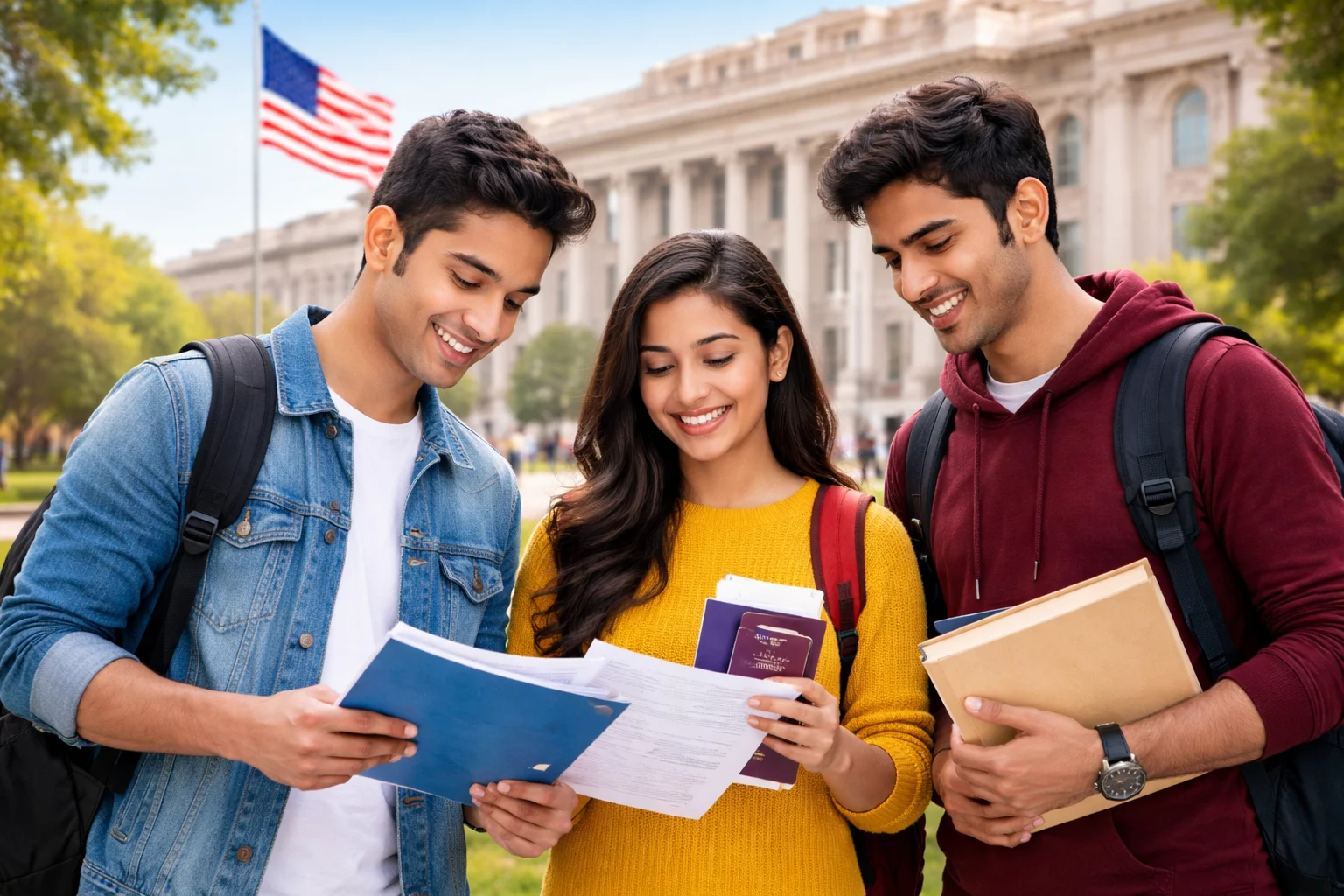
Studying in the United States has long been a dream for many Indian students. The country offers world-class universities, cutting-edge research opportunities, and global career exposure. Recently, changes in U.S. visa policies have created fresh hope and new possibilities. For students who plan carefully, stay informed, and prepare thoroughly, these updated rules can make the journey smoother and more predictable.
This article explains how the new U.S. visa rules may benefit well-prepared Indian students, what has changed, why preparation matters more than ever, and how students can position themselves for success. The focus is on clarity, accuracy, and practical guidance—without confusion or unnecessary noise.
Understanding the Recent Changes in U.S. Student Visa Rules
The U.S. government regularly updates its visa policies to improve security, efficiency, and fairness. Recent changes have aimed to streamline processes, reduce uncertainty, and better identify genuine students with strong academic goals.
For Indian students, these updates signal a shift toward rewarding seriousness, transparency, and proper planning.
Faster Processing for Qualified Applicants
One key improvement is better prioritization of student visa applications during peak admission seasons. Students with complete documents, confirmed admissions, and clear academic intent are more likely to experience smoother processing.
This does not mean approvals are automatic. It means that well-organized applications face fewer delays, making timelines more manageable.
Clearer Guidelines for Interview Preparation
Visa officers now focus more on consistency and clarity rather than trick questions. Students who can clearly explain:
- Their chosen course
- Why they selected a specific university
- How the program fits their future plans
are better positioned to make a strong impression.
This shift benefits Indian students who prepare thoughtfully instead of memorizing answers.

More Flexibility for Academic Pathways
Updated rules also recognize diverse academic backgrounds. Students moving from one field to a related specialization, or those pursuing interdisciplinary programs, are being assessed more holistically.
This helps students who may not follow a traditional or linear academic path but can clearly justify their choices.
Why These Changes Matter for Indian Students
India is one of the largest sources of international students for the United States. With rising competition, even small policy adjustments can have a big impact.
The new rules send a clear message: preparation, honesty, and academic focus matter more than shortcuts.
Reduced Dependence on Luck
Earlier, many students felt that outcomes depended heavily on chance. While discretion still exists, structured preparation now plays a stronger role.
Students who invest time in understanding requirements, organizing documents, and practicing interviews are less likely to face unexpected issues.
Better Recognition of Genuine Intent
The updated approach places more weight on genuine study plans. Students who can demonstrate:
- Strong academic records
- Logical course selection
- Realistic financial planning
are viewed more favorably than those with vague or inconsistent stories.
This benefits Indian students who approach overseas education seriously rather than as a quick exit option.
See also UC Santa Cruz Student Visa Revoked: What It Means and What Students Should Know
What “Well-Prepared” Really Means
Preparation is not about memorizing scripts or copying templates. It is about building a complete, honest, and consistent profile.
Below are the key areas where preparation makes the biggest difference.
Academic Preparation: Building a Strong Foundation
Your academic background is the core of your application. The new visa environment rewards clarity and relevance.
Choosing the Right Course
Students should select programs that align with:
- Their previous education
- Their skills and interests
- Their long-term goals
A clear connection between past studies and future plans reduces doubts during evaluation.
Explaining Academic Gaps Clearly
Gaps are not automatically negative. What matters is how you explain them.
Valid reasons include:
- Work experience
- Skill development
- Family responsibilities
- Health recovery
Honest explanations supported by evidence can strengthen trust.
Financial Readiness: Showing Stability and Planning
Financial transparency is a major focus area. Students must clearly show how they plan to fund their education and living expenses.
Documented Funding Sources
Well-prepared students provide:
- Verified bank statements
- Clear sponsor information
- Consistent financial records
Sudden or unexplained funds raise concerns, while steady and traceable finances build confidence.
Understanding Costs Beyond Tuition
Students should be able to discuss:
- Living expenses
- Health insurance
- Books and supplies
- Emergency funds
This shows maturity and realistic planning.
Interview Readiness: Communicating with Confidence
The visa interview is not a test of English fluency alone. It is a conversation to assess intent and readiness.
Answering with Clarity, Not Length
Short, clear answers work best. Officers look for:
- Direct responses
- Consistent information
- Calm confidence
Over-explaining or changing answers can create confusion.
Staying Honest at All Times
Honesty is critical. Any mismatch between documents and answers can lead to refusal.
Well-prepared students know their application details thoroughly and speak truthfully.
How Indian Students Can Use These Changes to Their Advantage
The updated visa approach opens doors for students who take responsibility for their preparation.
Early Planning Makes a Big Difference
Starting early allows time to:
- Research universities properly
- Prepare strong statements
- Arrange finances carefully
- Practice interview responses
Rushed applications are more likely to contain errors or weak explanations.
Professional Guidance Used Wisely
Guidance can be helpful, but students should remain fully involved. Understanding your own application is essential.
Relying blindly on agents without personal awareness can backfire during interviews.
Common Mistakes to Avoid Under the New Rules
Even with improved policies, mistakes can still lead to refusal. Awareness helps students stay on the right path.
Mismatch Between Course and Career Goals
Choosing a program without clear relevance raises red flags. Every academic decision should have a logical explanation.
Weak Understanding of the University
Students should know basic details about their institution:
- Program structure
- Duration
- Location
- Academic strengths
Lack of knowledge suggests poor research.
Financial Inconsistencies
Inconsistent bank statements or unclear sponsors are among the most common reasons for concern. Preparation eliminates these risks.
Long-Term Benefits for Indian Students
The impact of these visa changes goes beyond approval.
Stronger Academic Focus
Students who prepare well tend to perform better academically because they have clear goals and expectations.
Better Adjustment in the U.S.
Understanding costs, workload, and responsibilities helps students adapt more easily after arrival.
Improved Career Outcomes
Clear academic direction often leads to better internships, networking, and career planning during and after studies.
Role of Documentation in a Strong Application
Documents tell your story before you even speak.
Essential Documents to Prepare Carefully
Well-prepared students ensure accuracy and consistency in:
- Admission letters
- Academic transcripts
- Financial records
- Identification documents
Errors or mismatches can create unnecessary doubts.
Keeping Copies and Records
Organized records help during interviews and future applications, including extensions or work authorization.
How These Rules Encourage Quality Over Quantity
The updated approach discourages casual or poorly planned applications. Instead, it favors students who are serious about education.
This benefits Indian students who value learning, research, and skill development rather than shortcuts.
FAQs About New U.S. Visa Rules for Indian Students
Do the new rules guarantee visa approval?
No. Approval is never guaranteed. However, well-prepared students with genuine intent have a stronger chance of success.
Are students from all academic backgrounds treated equally?
Yes. Evaluation is based on individual profiles, not fields alone. Clear justification matters more than the subject itself.
Is the interview still important?
Absolutely. The interview remains a critical step, but preparation now plays a bigger role than guesswork.
Can students with average grades still benefit?
Yes. Strong planning, clear goals, and honest explanations can balance academic weaknesses.
Do these changes apply to all U.S. universities?
Visa rules apply nationally. However, university reputation, program quality, and student preparedness all contribute to evaluation.
Final Thoughts
The message behind the updated U.S. visa rules is simple and encouraging. Well-prepared Indian students stand to benefit the most. The system now places greater value on clarity, honesty, and thoughtful planning rather than rushed applications or surface-level answers.
For students willing to invest time in preparation—academically, financially, and mentally—these changes offer a real opportunity. With the right approach, studying in the United States becomes not just a dream, but a well-planned and achievable goal.
Preparation is no longer optional. It is the strongest advantage a student can have.

