“How do you even pack for this?” Part travel. Part immigration. All emotion. That’s what a lot of long-distance couples are asking right now. Especially if one of you is heading to the UK. It’s more than flights and toothbrushes.
You’re juggling time zones, airport lines and, of course, legal paperwork. All while trying not to snap at each other over Wi-Fi. And lately? It’s only gotten harder. Couples are staying apart longer than planned. Visas are delayed. Prices are rising. Entry rules keep changing.
Travel isn’t just romantic anymore; it’s a high-stakes mission. Every step feels like it could go wrong. Sure, TikTok makes it look easy but they skip the tough parts: the waiting, the questions and the stress of proving your relationship with screenshots and boarding passes.
In this blog, we’ll share real travel tips, emotional prep ideas and what to actually expect when you’re crossing borders for love. Whether you’re visiting short-term or starting your life together, here’s what matters most.
Understand the Visa Before You Book
If your goal is to stay in the UK long-term with your partner, then a tourist visa won’t do. The best option might be the UK unmarried partner visa. This is designed for couples who’ve been in a committed relationship for at least two years but aren’t married or in a civil partnership. You’ll need to prove it’s genuine. And, no, that proof isn’t just photos or DMs. Think shared rental agreements, bank statements or even travel records showing visits over time.
You can apply from inside or outside the UK, but you must meet strict requirements. The sponsoring partner in the UK should have settled status or British citizenship. You also need to meet financial thresholds, have suitable accommodation and prove your ability to communicate in English.
This part of the journey isn’t meant to be improvised. Unlike a quick weekend trip, applying for a UK partner visa is a time-sensitive legal process. Missing one detail can delay months of progress.
Divide Travel Responsibilities Early
You can’t do international travel solo, not without stress. It’s just too much. One small error? Suddenly you’re in the wrong terminal, in the wrong time zone, holding the wrong boarding pass.
So split it up. Don’t wing it. One of you takes care of booking flights and accommodation. The other handles documents like passports, visa requirements and other various checklists. Figure that out early. Saves you both from confusion later.
Set up a shared Google Drive folder. Seriously, just do it. Drop everything in there—passport scans, visa confirmation emails, insurance info, emergency contacts. That way, if someone’s phone dies or gets lost, nothing important disappears with it.
Use travel apps that sync. You’ll want reminders for check-in times, train connections, whatever. It’s one less thing to worry about when your brain’s already fried from packing.
And don’t assume the other person has it all together. Travel fatigue is real. People forget things. That’s how you end up with one toothbrush between two people at 2 a.m. Talk through everything. Double-confirm your bookings. And yes—print stuff. Even if you have it on your phone.
Prep for Arrival, Not Just Departure
Many couples plan obsessively for the flight but forget about the first few days after landing. That’s when tensions spike. You’re both tired. The weather is colder than expected. You’re not sure how to set up a bank account or get a local SIM card.
Plan a slow first day. Don’t book anything right after you land. Give yourselves time to adjust and breathe. Eat something familiar, get some rest and do just one small task—like unpacking or taking a walk together.
Start with the essentials. Register with a GP if you’ll be staying long-term. Get a UK SIM card. Open a joint bank account if needed. Buy groceries, find the nearest bus stop and learn the layout of your area. These things ground you faster than sightseeing.
One person may adapt quicker than the other. That’s normal. If one of you already lives in the UK, help the other feel settled. Show them where to buy food, how to top up a travel card or what shops are open late.
Expect Friction and Manage It Early
The shift from long-distance to living together can bring unexpected tension. You’re suddenly navigating chores, schedules and moods in real-time. It’s a big jump from daily texts to sharing a bathroom.
Talk about boundaries early. Who needs quiet time? Who does what in the kitchen? You’ll avoid fights by talking first.
Money is another big one. Will you split bills? Who’s paying for what during travel? Don’t leave this vague. Assumptions cause resentment. Have the awkward conversations before they turn into arguments and always be kind.
Be Prepared for Bureaucracy
The UK has its quirks: paper mail is still a big deal and you’ll need proof of address for nearly everything, from setting up a bank account to registering with a doctor. That usually means a utility bill or council tax letter. Email won’t cut it.
If you’re new to the country, start building a paper trail quickly. Get your name on a lease. Open a bank account with your UK address. Keep letters that arrive in your name. You’ll be surprised how often you need them.
Expect delays. Whether it’s a delayed appointment, a missing confirmation email or a confusing website, red tape is real. Patience is a skill here.
Stay organised. Keep copies of every form, letter or email. Date everything. If you speak to someone at a government office, write down their name and the time. These details save you later if things go sideways.
What You’ll Take with You
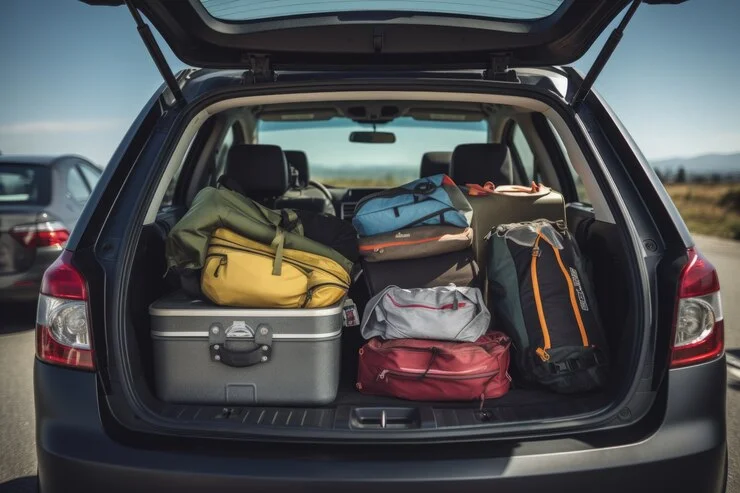
The luggage you bring is more than clothes and chargers. You’re carrying commitment, hope and shared history. You’ve made it through separation. You’ve navigated the process, prepped your documents and booked that flight.
That’s more than many people do for love.
So keep showing up. Prepare for the flight, the forms, the awkward first week. But also prepare to laugh through the weird moments, cry if you need to and start a new routine together, one late-night corner shop run at a time.
Because a love that stretches across oceans doesn’t just survive travel. It grows through it.