If you’re trying to decide how to actually see Everest, you’ve probably run into the same wall most travelers do: you don’t have unlimited vacation days, but you also don’t want to fly home wondering what the trek would have felt like. That tension is really the whole story behind this comparison. On one side you’ve got the Everest Base Camp helicopter tour — quick, scenic, done in a morning. On the other, the Everest Base Camp Trek with Helicopter Return, where you walk into the mountains over several days and skip the long walk back out by hopping on a chopper instead.
Both trips get you close to Everest. Both can include time near Base Camp. But they are not the same holiday wearing two different price tags, and treating them that way is how people end up disappointed. The real differences show up in time, cost, altitude exposure, how much walking you’re signing up for, comfort, and honestly, how the whole thing feels once you’re back home telling people about it. So which one wins? Mostly it comes down to how many days you can actually spare, and whether you want the mountain experience or the full journey through it.
Everest Base Camp Helicopter Tour vs Trek With Helicopter Return at a Glance
| Factor | Helicopter Tour | Trek + Helicopter Return |
| Typical trip style | Flight-focused | Trek + flight |
| Time required | Usually a single-day experience | Several days |
| Walking | Very limited | Extensive daily walking |
| Altitude exposure | Short | Gradual, multi-day |
| Villages and trails | Limited | Major part of the trip |
| Physical demand | Low to moderate | Moderate to challenging |
| Comfort | Higher | Lower during the trek |
| Cultural interaction | Limited | Much greater |
| Best for | Time-limited travelers | Travelers wanting the full journey |
| Main advantage | Speed | Immersion |
None of this means one option is objectively better — it just means they solve different problems. A retired couple with five days in Nepal and a helicopter tour operator with a good weather window are working with a completely different set of priorities than a 28-year-old who’s been training for this trek for a year. Keep your own situation in mind as you read on, because the “right” answer really does change person to person.
1. What Is an Everest Base Camp Helicopter Tour?
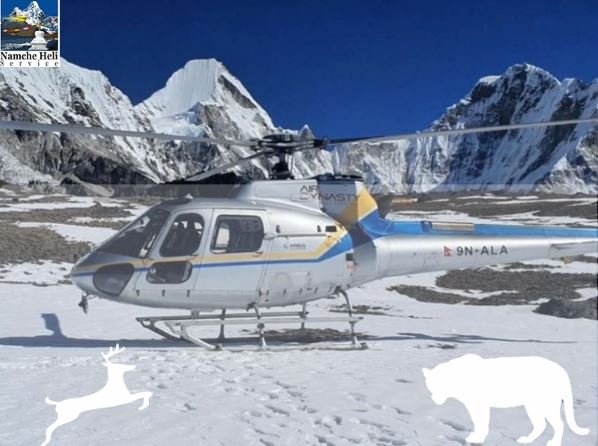
Most helicopter tours leave early from Kathmandu, usually before the mountain winds pick up later in the day. From there you fly toward the Everest region, passing over ridgelines and valleys that would otherwise take you a week or more to walk through. Operators typically build the route around views of Lukla, the Khumbu Valley, and the general Everest Base Camp area, though whether you actually land near Base Camp — or simply fly past it for photos — depends on weather, aviation clearance, and the specific package you booked. This is worth double-checking before you pay, because “helicopter tour to Everest” can mean fairly different things depending on the company.
So who’s this actually for? Honestly, it suits more people than you’d think. Travelers with just one free day in their itinerary. Older visitors, or anyone who’d rather not spend a week trekking at altitude. People who want that Himalayan payoff without the physical commitment. And photographers tend to love it too — there’s something about seeing these peaks from above that a ground-level trek simply can’t replicate, even if it trades away the story of getting there on foot.
2. What Is an Everest Base Camp Trek With Helicopter Return?
This is a different animal entirely. Instead of flying straight toward the mountain, you walk into the Khumbu region on foot, following the same trails trekkers have used for decades. Namche Bazaar becomes an important stop early on, both for acclimatization and because it’s genuinely one of the more interesting mountain towns you’ll pass through. From there, the trail climbs through Tengboche, Dingboche, and Lobuche before reaching Everest Base Camp itself. The twist is the return — rather than trekking all the way back down to Lukla, which can add several extra days, you fly out by helicopter instead. It’s a compromise that saves real time without cutting the actual approach to Base Camp short.
What makes this version feel so different isn’t just the walking, though that’s part of it. It’s the pacing. Gaining altitude gradually over days instead of hours matters, both physically and for how the trip actually feels. You spend evenings in Sherpa villages instead of a hotel bar in Kathmandu. You cross suspension bridges, pass monasteries strung with prayer flags, and watch the landscape shift from forest to bare rock as you climb. It asks more of you physically, no question. But an Everest Base Camp Trek with Helicopter Return gives you something the flight-only version just can’t — the sense that you earned the view.
3. Which Is Better for Time: Helicopter Tour or Trek + Helicopter?
This one’s fairly simple to answer honestly.
Go with the helicopter tour if you only have a single day free, or if a week (or more) of trekking just doesn’t fit your schedule — plain and simple. Choose the trek with helicopter return if you can spare multiple days, and if you actually want the walk to Base Camp to be part of the trip rather than an obstacle before the “real” experience. Acclimatization days and time in mountain villages only make sense if your calendar allows for them.
One thing worth saying plainly: don’t pick the trek just because it sounds more adventurous on paper if your trip can’t absorb a delay. Mountain weather doesn’t care about your return flight home.
4. Which Option Is More Physically Difficult?
The helicopter tour involves very little physical strain — there’s no multi-day trekking workload, no sore knees on the descent. That said, it still puts you in a high-altitude environment with genuinely unpredictable conditions, so it’s a mistake to assume a short trip means altitude is a non-issue. It isn’t something you can ignore just because you’re not walking.
The trek with helicopter return is a much bigger ask. Several consecutive days of walking, with both uphill grinds and knee-jarring descents, cold temperatures once you’re above Namche, and a level of physical preparation that actually matters. Acclimatization days aren’t optional extras here — they’re often what keeps people from turning back.
Fitness level, prior trekking experience, and how your body handles altitude should really guide this decision more than price or speed alone.
5. Scenery and Experience: What Do You Actually See?
From a helicopter, you get scale. Huge sweeps of Himalayan peaks laid out below you, the Khumbu Valley shrinking into a ribbon of green and grey, an entire mountain landscape compressed into an hour or two of flying. It’s an efficient, genuinely spectacular way to take in more geography than you could ever walk in the same amount of time.
From the trail, you get something closer and slower. Close-up views of the mountains changing angle every hour. Small Sherpa villages tucked into hillsides. Suspension bridges swaying under your boots. Monasteries with prayer flags snapping in the wind, and vegetation that thins out the higher you climb until it’s just rock and snow. There’s also something to be said for the evenings — sitting in a lodge dining room with other trekkers as the temperature drops outside, which is its own kind of experience entirely.
Here’s the honest way to think about it: a helicopter gives you the scale of Everest. Trekking gives you the story of getting there. Neither is wrong — they’re just answering different questions about what you actually want from the trip.
6. Cost: Which Trip Gives Better Value?
I’m not going to throw exact numbers at you here, because pricing genuinely swings a lot — season, group size, whether you’re booking a private flight or sharing a helicopter, the specific operator, hotel category in Kathmandu, guide and porter arrangements, permits, ground transport, and weather-related changes to the schedule all move the final cost around.
What actually matters is comparing the full package rather than the headline number. A cheap-looking quote can quietly leave out airport transfers, meals, accommodation, permits, guide or porter fees, insurance, and — this one catches people off guard — extra nights if weather pushes your flight back a day or two. Helicopter return arrangements in particular are sometimes priced separately from the base trekking package, so ask directly rather than assuming it’s bundled in.
7. What About Lukla and the Helicopter Return?
Lukla comes up constantly in Everest trip planning, and it’s worth being clear about its role. It’s the main gateway into the region for most trekkers, and many itineraries start with a flight toward Lukla before the walking even begins. Helicopters also get used for regional transport depending on the itinerary and conditions on any given day — not just for the dramatic return from Base Camp.
A Lukla to Kathmandu helicopter service becomes particularly useful when travelers need a faster way out of the region than waiting for the next available fixed-wing flight, which can back up for days during bad weather. Worth checking with an operator like Namche Heli or a similar local provider on current availability, since conditions change fast up there. Keep flexibility built into your schedule regardless — mountain aviation runs on weather, not on your itinerary.
8. Weather, Flight Delays and Safety: What Should Travelers Expect?
Himalayan weather turns quickly, sometimes within an hour. Helicopter operations depend heavily on visibility and wind, and pilots will delay or cancel rather than take a risk — which is exactly what you want, even if it’s frustrating in the moment. Trekking schedules can shift too, though usually with a bit more warning.
A few practical habits go a long way here. Don’t book an international flight for the same day as your mountain helicopter trip if you can help it. Build a buffer day or two into your Kathmandu schedule before flying home. Stick with an operator that has a solid track record rather than the cheapest one you find. And make sure your travel insurance actually covers trekking at the altitude you’ll reach, along with emergency evacuation if it’s relevant to your route.
9. Accommodation, Food and Daily Comfort
The helicopter tour keeps you based in Kathmandu hotel comfort the whole time, with barely any exposure to mountain lodge life. The trek is the opposite — tea houses and lodges each night, basic rooms once you’re higher up, simple meals, and genuinely cold nights above Namche. It’s less comfortable, but that trade-off is part of what makes the experience feel earned rather than handed to you.
One practical note: pack for the trek itself, not for the fact that you’re flying back afterward. Proper high-altitude gear still matters on the way up, helicopter return or not.
10. Who Should Choose Each Option?
The helicopter tour tends to suit short Nepal trips, first-time mountain visitors who want a taste of Everest without a huge time commitment, travelers who genuinely can’t manage multiple days of walking, and anyone prioritizing comfort over immersion.
The trek with helicopter return fits adventure travelers, people who want to reach Base Camp under their own steam, those genuinely interested in Sherpa culture and daily life in the mountains, and travelers who want a full Khumbu experience without adding the extra days a full round-trip trek would require.
11. Can You Combine the Best Parts of Both?
In a way, the trek-plus-helicopter-return format already is that combination. You trek in, spend real time in the Khumbu, reach Base Camp on foot, and then skip the long walk back by flying out. It’s a genuine middle ground for people who want the satisfaction of trekking without burning extra vacation days retracing their steps. That said, if you truly can’t spare the time even for the one-way trek, the full helicopter tour is still the more realistic choice — there’s no shame in that trade-off.
12. Practical Booking Checklist Before You Pay
Before handing over a deposit, ask the operator directly: What exactly is included in the helicopter price? Is the flight private or shared with other passengers? What’s the policy if weather cancels the flight — rebooking or refund? Does the trek price include permits and accommodation? Is a guide part of the package? What’s the maximum altitude on the itinerary? Is emergency helicopter evacuation covered separately from the scheduled return flight? How much luggage can you actually bring? And how much buffer time should you build in before your international flight home?
These questions sound tedious, but they’re exactly the ones that prevent unpleasant surprises once you’re already in Nepal.
13. Final Verdict: Which Is Better?
Best for speed: the Everest Base Camp Helicopter Tour, no contest. Best for the full trekking experience: the Everest Base Camp Trek with Helicopter Return. Best overall compromise: trekking in and flying back out. Best for travelers with genuinely limited time: the helicopter tour. And best for anyone who values the journey as much as the destination itself: trek plus helicopter return, every time.
Frequently Asked Questions
Is an Everest Base Camp Helicopter Tour better than trekking to Everest Base Camp? It depends on your available time, physical condition, and what kind of experience you’re after — speed and comfort versus a slower, more immersive journey.
How long does the Everest Base Camp Trek with Helicopter Return take? It varies by operator and how the acclimatization schedule is built, so there’s no single fixed duration — always check the specific itinerary rather than assuming.
Can you fly by helicopter directly to Everest Base Camp? Flying over the region is different from landing right at Base Camp. Actual landing arrangements depend on weather, aviation regulations, and the operator’s specific plan for that day.
Is the Everest helicopter tour safe? Booking with a reputable operator matters a lot here. Weather, aircraft conditions, and altitude all play a role, and following pilot and operator instructions closely is part of what keeps these flights safe.
Can I take a Lukla to Kathmandu helicopter after the trek? Generally yes, though it depends on availability, weather, and operational conditions on the day — it’s worth arranging or at least confirming in advance rather than assuming it’ll be available last minute.
Which is better for first-time visitors to Nepal: helicopter tour or trek? If time and fitness allow, the trek gives a much fuller picture of the region. If you’re short on days or unsure about handling altitude on foot, the helicopter tour is the safer, simpler starting point.
Final Thought
If you’ve only got one day, take the helicopter and enjoy it for what it is. If you’ve got the time and genuinely want to walk through the Khumbu, do the trek and fly back instead of retracing your steps. Either way, compare the full itinerary, what’s actually included, the weather cancellation policy, guide support, and the helicopter arrangements themselves — not just whichever price looks best on the surface.
Frequently Asked Questions
Is an Everest Base Camp Helicopter Tour better than trekking to Everest Base Camp?
It depends on your available time, physical condition, and what kind of experience you’re after — speed and comfort versus a slower, more immersive journey.
How long does the Everest Base Camp Trek with Helicopter Return take?
It varies by operator and how the acclimatization schedule is built, so there’s no single fixed duration — always check the specific itinerary rather than assuming.
Can you fly by helicopter directly to Everest Base Camp?
Flying over the region is different from landing right at Base Camp. Actual landing arrangements depend on weather, aviation regulations, and the operator’s specific plan for that day.
Is the Everest helicopter tour safe?
Booking with a reputable operator matters a lot here. Weather, aircraft conditions, and altitude all play a role, and following pilot and operator instructions closely is part of what keeps these flights safe.
Can I take a Lukla to Kathmandu helicopter after the trek?
Generally yes, though it depends on availability, weather, and operational conditions on the day — it’s worth arranging or at least confirming in advance rather than assuming it’ll be available last minute.
Which is better for first-time visitors to Nepal: helicopter tour or trek?
If time and fitness allow, the trek gives a much fuller picture of the region. If you’re short on days or unsure about handling altitude on foot, the helicopter tour is the safer, simpler starting point.
Contact Details
Namche Heli Service
Namche Bazzar, Solukhumbu, Nepal
(Branch Office :Kathmandu Naya Bazar)
Phone +977-985-2850192 (WhatsApp)
Email: info@namcheheli.com
URL: www.namcheheli.com