Investing in an osmoseanlage can revolutionize your home’s water quality, offering you and your family cleaner, safer drinking water. With the rising concerns over tap water quality, understanding how an osmoseanlage works and its myriad benefits is crucial. In this guide, we delve into the essentials of reverse osmosis systems, from their operation to installation and maintenance.
Understanding Osmoseanlagen
What is an Osmoseanlage?
An osmoseanlage, commonly known as a reverse osmosis system, is a water filtration technology designed to remove impurities and contaminants from water. It utilizes a semi-permeable membrane to separate harmful substances like heavy metals, chemicals, and bacteria, ensuring the water you consume is pure and safe.
How Does an Osmoseanlage Work?
The reverse osmosis process involves pushing water through a membrane with tiny pores that block contaminants but allow water molecules to pass. Typically, an osmoseanlage consists of multiple filtration stages, including pre-filters and post-filters, to enhance purification efficiency. This system effectively reduces contaminants such as lead, chlorine, and arsenic, significantly improving water quality.
Benefits of Using an Osmoseanlage
Health and Environmental Benefits
- Improved Water Quality: Removes up to 99% of harmful contaminants, ensuring safe drinking water.
- Health Benefits: Reduces exposure to toxins that can cause health issues.
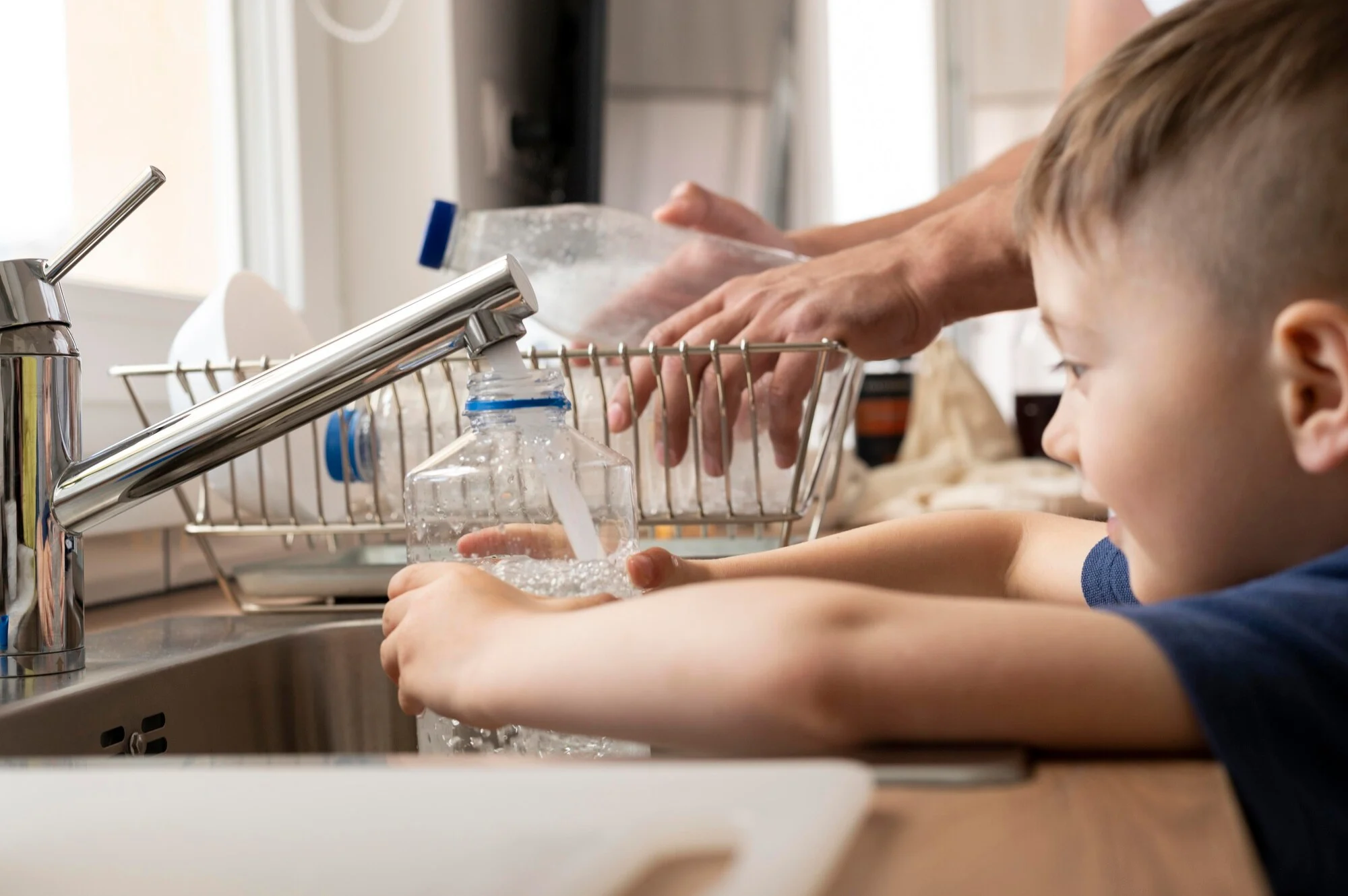
- Environmental Impact: Decreases reliance on bottled water, reducing plastic waste.
Economic Advantages
While the initial investment in an osmoseanlage might seem substantial, the long-term savings are significant. By reducing the need for bottled water, households can save money while also minimizing their environmental footprint.
Types of Osmoseanlagen
Residential vs. Commercial Systems
Residential osmoseanlagen are designed for household use, providing sufficient purified water for daily consumption. In contrast, commercial systems cater to larger demands, suitable for businesses or industrial applications.
Portable vs. Fixed Systems
Portable osmoseanlagen offer flexibility and are ideal for travel or temporary setups. Fixed systems, often installed under-sink, provide a more permanent solution for continuous water filtration.
Choosing the Right Osmoseanlage
Factors to Consider
- Water Quality Needs: Assess the specific contaminants in your water supply.
- Capacity: Determine the volume of water your household requires.
- Installation Space: Consider the available space for installation.
- Budget: Balance between upfront costs and long-term savings.
Brand Comparisons
When selecting an osmoseanlage, consider reputable brands known for quality and reliability. Brands like Brita and Culligan offer various models catering to different needs and budgets. Here’s a comparison table highlighting key features:
| Brand | Model | Filtration Stages | Capacity (GPD) | Price Range |
|---|---|---|---|---|
| Brita | Advanced RO | 5 | 50 | $200 – $300 |
| Culligan | Premium RO | 6 | 75 | $300 – $400 |
Installation and Maintenance
Step-by-Step Installation Guide
- Preparation: Gather tools and read the manufacturer’s manual.
- Mounting: Install the filtration unit and connect it to the water supply.
- Testing: Check for leaks and ensure proper flow rate.
Consider professional installation if you are not comfortable with the DIY approach.
Maintenance Tips and Schedule
- Replace pre-filters every 6-12 months.
- Change the RO membrane every 2-3 years.
- Regularly sanitize the system to prevent bacterial growth.
FAQs and Troubleshooting
Common Questions
Here are answers to some frequently asked questions about osmoseanlagen:
- How often should I replace my reverse osmosis filters? Most filters need replacement every 6-12 months, but this can vary based on usage and water quality.
- Can I install a reverse osmosis system myself? Yes, with proper guidance and tools, a DIY installation is feasible.
- What are the energy costs associated with using a reverse osmosis system? The energy consumption is minimal, primarily used for water pressure maintenance.
Troubleshooting Common Issues
If your osmoseanlage is not functioning correctly, consider these troubleshooting tips:
- Low Water Pressure: Check for filter blockages or membrane issues.
- Strange Taste or Odor: Ensure filters are replaced regularly and the system is sanitized.
Conclusion
Choosing and maintaining an osmoseanlage is a significant step towards ensuring high-quality drinking water in your home. By understanding the system’s benefits, types, and maintenance requirements, you can make an informed decision that suits your needs. Whether opting for a portable model for flexibility or a fixed system for continuous use, the investment in a reverse osmosis system pays off in improved health and long-term savings.
For those considering an osmoseanlage, remember to evaluate your specific water quality needs, budget, and space requirements. Investing in a reliable system not only benefits your health but also contributes to environmental sustainability by reducing plastic waste from bottled water.